


- Why Do We Need to Break In Leather Boots?
- How Do I Break In a New Pair of Leather Boots Comfortably?
- How Long Does It Take for Leather Boots to Break In?
- Signs Your Leather Boots Are Breaking In Properly
- What Not to Do When Breaking in Leather Boots
- When Breaking In Leather Boots Is Not the Issue
- Frequently Asked Questions
How to Break In Leather Boots: Everything You Need to Know
Published on 26/06/2026Leather boots do not break in overnight — it's a gradual process that requires a small investment of time and effort, but pays off immensely. With the right break-in methods, leather boots will mould beautifully to the shape of their wearer's feet, providing an optimally comfortable fit. In this article, we explore everything you need to know about breaking them in, from the why to the how and the when.
Why Do We Need to Break In Leather Boots?
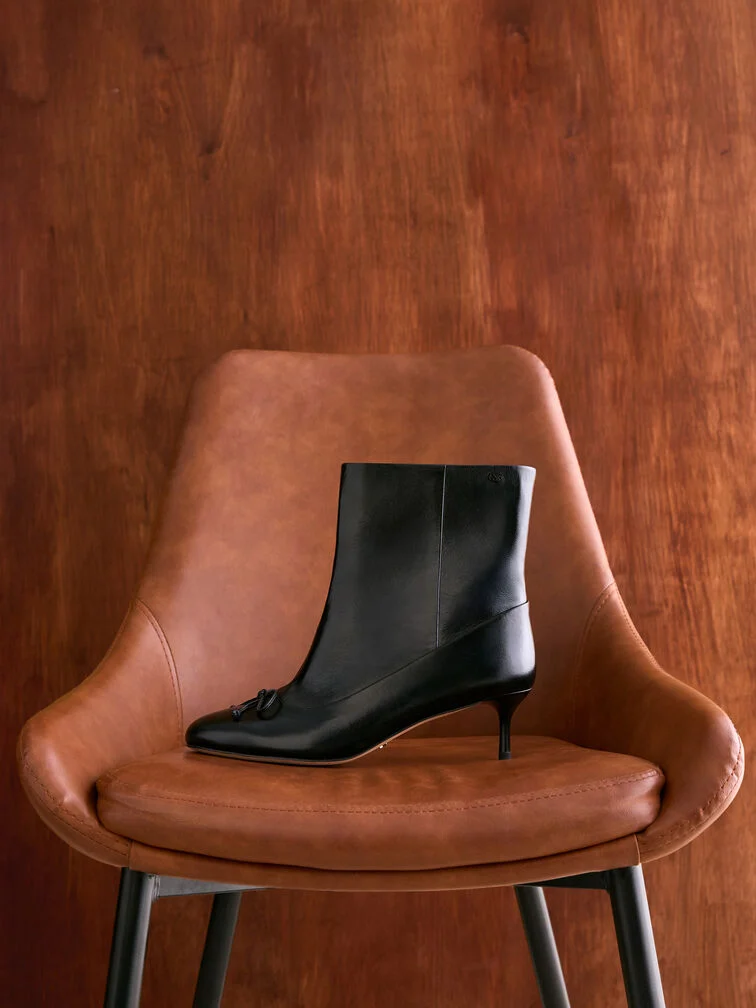
Leather is naturally a rigid material that takes time to conform, requiring repeated wear to gradually soften and mould to your individual foot shape. Typically, the stiffer areas of a leather boot are the uppers, soles and heel counters — but once they loosen and yield, you will enjoy a truly comfortable fit.
As such, experiencing some initial discomfort when wearing a new pair of leather boots is perfectly normal. It does not mean you have purchased the wrong size or a defective item. In fact, the break-in process is often a hallmark of high-quality genuine leather.
The time required to break in a pair of leather boots varies depending on the type of leather and the construction of the footwear. We will explore these factors in greater detail in the following sections.
How Do I Break In a New Pair of Leather Boots Comfortably?
Wear Your Leather Boots at Home First
Before taking your new leather boots outside, wear them at home for 30 to 60 minutes a day during the first few days. You can also gently bend and flex the boots by hand before wearing them, especially around the toe box and ankle areas, to help loosen the leather fibres.
Wear thick socks to help stretch the leather and reduce friction. Walk naturally around the house to flex the boots and train the leather to conform to the shape of your feet. This controlled environment allows you to identify pressure points and prevent blisters from developing.
Gradually Introduce Your Leather Boots Outdoors
Once your leather boots start feeling less stiff, begin wearing them outside, but only for short durations, such as when running a quick errand. During this period, it is recommended to wear thick, cushioned socks for added comfort.
If you have previously identified any pressure point, apply blister-prevention products in those areas — such as heel grips, mole skin patches or blister balm — before heading out.
In the early stages, try walking on flat, even surfaces and avoid cobblestones or uneven terrain until the soles have begun to flex to minimise discomfort. Always carry a backup pair of shoes, as you never know when discomfort may strike.
Store Your Leather Boots Properly
Use boot trees, ideally cedar ones, to maintain the shape of your leather boots between wears. Poor storage can cause them to become misshapen and creased, undoing the break-in progress. Always store your leather boots upright and away from direct sunlight or heat sources, as excessive heat can dry out the leather and cause it to stiffen.
If you do not have immediate access to boot trees, stuffed newspaper can work as a short-term alternative. However, it is worth investing in a quality pair of boot trees, as they can significantly extend the lifespan of your leather boots.
Explore more shoe care advice and storage tips in our detailed guide.
Take Breaks in Between Wears
Although leather boots loosen and become more comfortable with wear, it is always a good idea to take breaks between wears. This allows any pressure points to recover and helps reduce the risk of blisters.
Resting your boots between wears also prevents moisture from building up in the lining, which can gradually damage the leather over time. Giving your boots time to air out will help keep them fresh and comfortable for your next wear.
How Long Does It Take for Leather Boots to Break In?
The time it takes for leather boots to break in depends on several factors, each of which can significantly affect the process. Understanding these factors can help you set realistic expectations and make the break-in period more comfortable.
Frequency of Wear
The more consistently you wear your leather boots, the faster they will break in. Repeated flexing combined with your body heat helps soften the leather and encourages it to mould to the shape of your feet.
For faster results, aim to wear your boots three to four times a week. However, wearing your boots for extended periods without adequate rest will not accelerate the break-in process. Instead, it can increase discomfort and raise the risk of blisters or other foot issues, potentially discouraging you from wearing them altogether.
The key is to find a balance between regular wear and sufficient recovery time.
Type of Leather
The type of leather used in your boots can significantly affect the length of the break-in period.
- Full-grain leather is the most durable and dense type of leather, which means it typically requires more time and wear to soften and conform to your feet.
- Top-grain leather undergoes additional processing, making it slightly softer and generally quicker to break in than full-grain.
- Suede and nubuck leather are naturally softer and more flexible, resulting in shorter break-in periods.
- Heavily treated or waxed leathers may feel particularly stiff at first but often soften considerably once the finish begins to flex with regular wear.
Construction Method
The construction method of a leather boot can also have a significant impact on its break-in period.
Boots made using welted construction — where the uppers, insoles and midsoles are stitched together — typically take longer to break in because all the components need to flex and soften together. In contrast, boots made using cemented construction, where the uppers are directly glued to the outsoles, are generally more flexible from the outset and therefore easier to break in.
The sole design can also influence how quickly a boot becomes comfortable. Thick lug soles tend to be more rigid and require more time to flex naturally, which can extend the break-in period. Similarly, leather boots with higher shafts often take longer to break in due to the greater amount of leather around the ankle and calf areas.
A Leather Boot's Break-In Timeline
Based on the factors discussed above, leather boots made with a simpler cemented construction and softer materials, such as suede, can reach a comfortable fit in as little as one to two weeks with regular wear. In contrast, leather boots made with welted construction and full-grain or top-grain leather may take anywhere from three to six weeks to fully break in.
That said, these timelines should be treated as general guidelines. It is also important to note that genuine fit issues are unlikely to be resolved through breaking in alone.
Here's what you can expect during the break-in period:
- After 3-5 wears: The leather begins to soften and flex more easily. The boots may feel slightly looser and more comfortable, although some stiffness will likely remain.
- After 1-2 weeks: The leather has softened considerably and is noticeably more flexible. However, you may still experience minor discomfort at certain pressure points.
- After 3-4 weeks: The boots have largely moulded to the shape of your feet and move more naturally with each step. At this stage, they should offer optimal comfort and flexibility.
Signs Your Leather Boots Are Breaking In Properly
Less Stiffness
One of the clearest signs that your leather boots are breaking in properly is a noticeable reduction in stiffness. The toe box and ankle areas should flex more naturally with your movements, allowing you to walk comfortably without feeling resistance from the boots.
Pressure Points Disappear
Areas that previously caused rubbing, pinching or discomfort should gradually become less noticeable as the leather moulds to the shape of your feet. If new pressure points develop with continued wear, it may be worth reassessing the fit, as this could indicate a sizing issue.
Improved Flexibility
The soles should begin to flex naturally at the ball of the foot, making each step feel smoother — this improvement is often more noticeable in Goodyear-welted boots. You should also notice natural creasing along the boot uppers at the flex points, which form smoothly without signs of excessive strain or cracking.
More Secure Fit
As the insoles and leather lining gradually conform to the shape of your feet, the boots should feel more secure and supportive. Heel slippage, which is common during the first few wears, should become less noticeable or disappear entirely. At the same time, the fit should feel more precise, with less excess movement inside the boots and no unnecessary space in the toe boxes.
What Not to Do When Breaking in Leather Boots
Don't Use Heat
Some people believe that applying heat can speed up the softening of leather, and may use hairdryers on their boots or place them near radiators. However, this is strongly discouraged. Direct heat can strip the natural oils from leather, leaving it dry, brittle and prone to cracking. It can also cause certain areas of your boots to become misshapen and may even melt the glue holding the different parts together.
Don't Use Water
A common leather boot break-in tip you will often see online is to intentionally submerge or partially soak your boots in water. However, this is an old wives' tale, and we strongly advise against it.
While water can temporarily loosen leather fibres, allowing the material to stretch as it dries, this method compromises the structural integrity of your boots. It strips away the natural oils, leaving the leather prone to cracking and even developing mould.
That said, there's no need to panic if your leather boots get wet in the rain. Leather can tolerate some moisture, and with proper aftercare, any effects can be easily managed.
Don't Overstretch
Gently stretching your leather boots by hand can help loosen the leather fibres and speed up the break-in process. However, some people resort to mechanical shoe stretchers or overstuffing their boots with tissue paper to achieve quicker results. This is generally not recommended, as excessive stretching can push the leather beyond its natural limits, leading to irreversible misshaping or creasing.
That said, don't let this discourage you from seeking professional stretching services if your boots need a little extra room. Experienced cobblers know how far the material can be stretched without compromising its shape or structure.
When Breaking In Leather Boots Is Not the Issue
All new leather boots require an adjustment period to break in before they feel truly comfortable. However, this only applies if your boots fit your feet properly. If they do not, discomfort will persist regardless of the break-in methods you try.
Here are some signs that there could be a genuine sizing mismatch:
Persistent Toe Compression
If the toe boxes of your boots press actively against your toes, putting pressure on your nails and causing them to curl, this indicates a problem beyond the initial break-in period. It may mean the toe boxes are too short or too narrow.
Note: Pointed-toe boots naturally have a tapered silhouette, which should not be confused with an improper fit.
Severe Heel Slippage
As mentioned in the section 'Signs Your Leather Boots Are Breaking In Properly,' some heel slippage is normal during the early stages of breaking in your boots. However, if you continue to experience severe or persistent heel slippage after several weeks, the boots are likely too large and will not improve with wear.
Heel grips offer only marginal help and will not correct the structural sizing issue.
Numbness or Tingling in Feet
Numbness or tingling should never occur, even during the break-in period of your leather boots. These sensations indicate that the boots are compressing your nerves or restricting blood circulation. Stop wearing them immediately and have your feet properly measured before purchasing another pair.
Ongoing Pain
If significant pain persists even after four to six wear sessions, the boots are likely the wrong fit. Before completely discarding or giving them away, consider having them assessed by a professional cobbler to determine the root cause of the discomfort. Certain fit issues — such as shafts that are too tight on knee-high boots — can often be resolved by an experienced cobbler.
Solutions to Try Before Giving Up on Your Leather Boots
Before deciding to part ways with your leather boots, there are a few remedies worth trying that may improve comfort and resolve minor fit issues.
Change the insoles: Thicker insoles can provide additional cushioning and support, while thinner ones can create more room if the boots feel slightly too tight.
Visit a professional cobbler: An experienced cobbler can stretch specific pressure points that have not softened over time. They can also assess the fit of your boots and recommend modifications to improve comfort.
Condition the leather: Applying a quality leather conditioner can help keep the leather soft, supple and flexible. This is particularly beneficial for boots that have been left unworn for an extended period, as the leather may have stiffened from the lack of use.
Frequently Asked Questions
How Can I Break In Leather Boots Overnight?
The process of breaking in your leather boots takes time and should not be rushed, as doing so can damage them. However, if you are pressed for time and need a short-term solution, you can wear your boots at home with thick socks for a couple of hours to help stretch them. You can also apply a quality leather conditioner to soften the material slightly and use blister-prevention products on key pressure points to alleviate initial discomfort.
These measures can help improve comfort temporarily, but you should continue to break in your boots gradually using the proper methods for long-term fit and durability.
Should Leather Boots Hurt at First?
Mild tightness and minor rubbing at pressure points are completely normal when wearing new leather boots. Leather is a naturally firm material that gradually moulds to the shape of your feet over time.
However, this discomfort should lessen with each wear and eventually disappear. If it persists or worsens, you may be dealing with a fit issue rather than an extended break-in period.
Should I Condition Leather Boots Before Breaking Them In?
Conditioning the leather before breaking in your boots is generally recommended as it replenishes moisture, softens the material and helps the leather flex more readily. You should also condition your leather boots when:
- They have not been worn for an extended period.
- They feel dry to the touch or have a papery texture.
- They are made from naturally rough or unwaxed leather.
Be sure to use the appropriate conditioner for your leather type. For example, cream conditioners are suitable for smooth leather, while suede and nubuck require specialised care products designed for their delicate textures.
Apply a thin, even coat of conditioner to clean leather boots and allow to fully absorb before buffing. Avoid over-conditioning, as excessive product buildup can compromise the boot's structure.
We hope this article has helped you understand why leather boots take time to break in and the best ways to do so gradually and effectively. If you feel more ready than ever to invest in a new pair, explore our stylish range of leather boots and start putting your newfound knowledge into practice.